

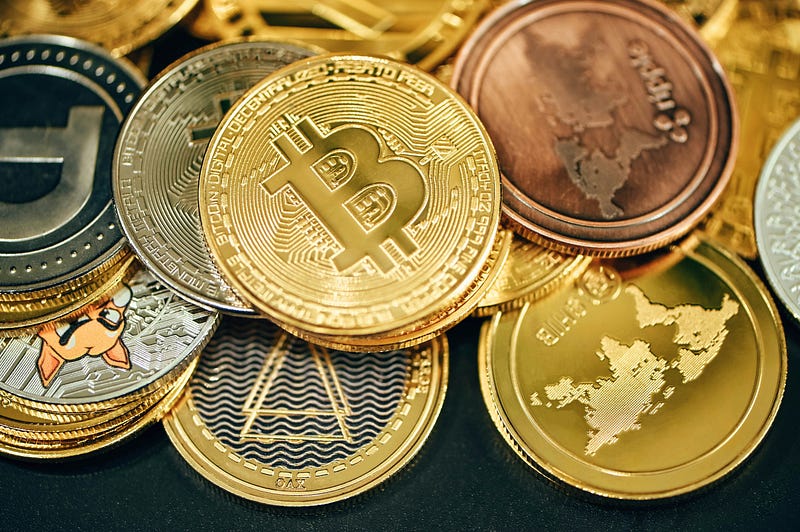
Bitcoin, the flagship of the cryptocurrency revolution, has long dazzled with its promise of financial freedom and decentralized power. However, beneath the glittering facade, the reality may be less rosy. As we venture into the future, here’s a provocative exploration of why Bitcoin might be hurtling toward obsolescence.This story was written with the assistance of an AI writing program.
1. Scalability Struggles: The Network Bottleneck
Bitcoin’s Achilles’ heel is its scalability. The blockchain’s capacity to handle transactions is limited, creating bottlenecks as demand surges. As more users flock to Bitcoin, the network becomes congested, leading to slower transaction times and higher fees. While solutions like the Lightning Network offer hope, their widespread adoption is uncertain, and the fundamental issues of scalability remain unresolved.
2. Regulatory Avalanche: Governments’ Heavy Hand
Governments are increasingly tightening their grip on cryptocurrencies, with Bitcoin often in the crosshairs. From outright bans to stringent regulations, governments worldwide are not shy about curbing Bitcoin’s growth. As regulatory pressure mounts, Bitcoin faces the risk of becoming a niche asset, overshadowed by more compliant and regulated alternatives.
3. Environmental Meltdown: The Energy Dilemma
Bitcoin’s mining process is infamous for its energy consumption, with critics likening it to an environmental disaster. The proof-of-work mechanism, while secure, requires massive computational power, contributing to significant carbon emissions. As the world becomes more environmentally conscious, Bitcoin’s energy demands may draw increasing ire, potentially leading to further regulatory restrictions or even a decline in public support.
4. Security Flaws: A Target for Attack
Despite its robust security measures, Bitcoin is not immune to vulnerabilities. The cryptocurrency’s infrastructure has been plagued by hacks, fraud, and technical glitches. As cyber threats evolve, Bitcoin’s security could become a major concern, with potential breaches undermining trust in its integrity.
5. Market Volatility: A Roller Coaster Ride
Bitcoin’s notorious price volatility is a double-edged sword. While it offers opportunities for massive gains, it also brings substantial risks. The wild swings in value can deter both institutional and retail investors, who might prefer more stable and predictable investments. This volatility could lead to Bitcoin being seen more as a speculative asset rather than a reliable currency or store of value.
6. Technological Obsolescence: The Next Big Thing
The cryptocurrency space is abuzz with innovation, and Bitcoin is no longer the only game in town. Newer, more advanced cryptocurrencies offer better scalability, lower fees, and innovative features that Bitcoin lacks. As these alternatives gain traction, Bitcoin could be overshadowed by more technologically advanced solutions, leading to its decline as the dominant cryptocurrency.
The Future of Bitcoin: To Invest or Not to Invest?
As the original cryptocurrency, Bitcoin has undoubtedly carved out a significant niche in the financial landscape. However, the question of whether it has a viable future — and whether you should continue investing in it — requires a nuanced exploration of current trends and future predictions.
1. Potential for Future Growth
Adoption and Institutional Interest: Bitcoin continues to gain acceptance among institutional investors and major corporations, which could drive its long-term value. As more companies integrate Bitcoin into their portfolios and payment systems, it could strengthen its position as a legitimate asset class.
Store of Value: Bitcoin is often likened to “digital gold” due to its limited supply and decentralized nature. As a hedge against inflation and economic instability, Bitcoin might retain its value, particularly in turbulent financial climates.
Technological Developments: Innovations like the Lightning Network aim to address Bitcoin’s scalability issues, potentially improving transaction speed and reducing fees. Such advancements could bolster Bitcoin’s utility and adoption.
2. Challenges and Risks
Regulatory Uncertainty: Governments around the world are increasingly scrutinizing cryptocurrencies. Stricter regulations or outright bans could impact Bitcoin’s market viability and value.
Environmental Concerns: The energy-intensive mining process poses significant environmental challenges. Growing pressure to address these concerns could lead to regulatory changes or shifts in public perception.
Volatility and Speculation: Bitcoin’s price volatility remains a concern. The cryptocurrency market is prone to dramatic swings, which can pose risks to investors and impact Bitcoin’s stability.
Technological Competition: New cryptocurrencies with advanced features and improved scalability could overshadow Bitcoin. Staying competitive requires continual innovation, and Bitcoin’s ability to adapt will be crucial.
Should You Continue Investing in Bitcoin?
Diversify Your Portfolio: If you’re considering investing in Bitcoin, it’s wise to diversify your investments to mitigate risks. Bitcoin can be part of a broader strategy that includes other assets to balance potential returns with risks.
Stay Informed: Keep abreast of developments in the cryptocurrency space, including regulatory changes, technological advancements, and market trends. Being well-informed will help you make more strategic investment decisions.
Assess Your Risk Tolerance: Bitcoin’s volatility means it may not be suitable for all investors. Evaluate your risk tolerance and investment goals before committing substantial resources to Bitcoin.
Consider Long-Term Trends: While Bitcoin faces challenges, its long-term potential shouldn’t be dismissed. If you believe in its fundamental value and the promise of blockchain technology, Bitcoin could still play a role in a future financial landscape.
Conclusion
Bitcoin’s future is a blend of potential and uncertainty. While it has demonstrated resilience and continues to attract institutional interest, it also faces significant risks and challenges. Investing in Bitcoin requires careful consideration of these factors, a well-diversified portfolio, and a clear understanding of your financial goals and risk tolerance. If you’re inclined to invest, staying informed and making strategic decisions will be key to navigating Bitcoin’s evolving landscape.