

Ghee: Is It Good or Bad for Your Health?
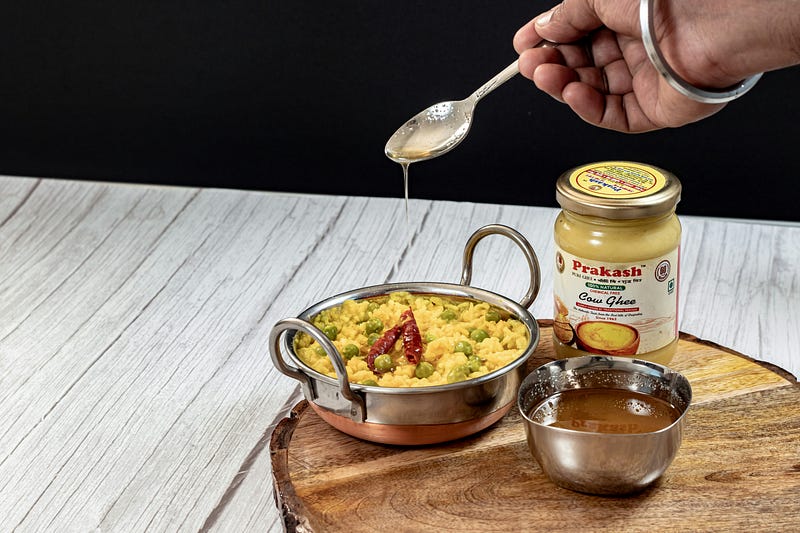
Ghee, a type of clarified butter commonly used in Indian cuisine and Ayurvedic practices, has gained popularity for its rich flavor and purported health benefits. But is ghee good or bad for you? Let’s explore both the positive aspects and potential drawbacks to help you make an informed decision.
The Benefits of Ghee
- Rich in Nutrients
Ghee is packed with essential nutrients, including vitamins A, D, E, and K, which are important for overall health. It also contains butyrate, a short-chain fatty acid that supports gut health and has anti-inflammatory properties.
- High Smoke Point
Ghee has a high smoke point (around 485°F or 252°C), making it a stable fat for cooking at high temperatures. Unlike some oils, it doesn’t break down into harmful compounds when heated, which can be beneficial for frying and sautéing.
- Lactose-Free
Ghee is made by removing the milk solids from butter, which means it is virtually lactose-free. This makes it a suitable option for those with lactose intolerance or sensitivity.
- Improves Digestion
In Ayurvedic medicine, ghee is believed to aid digestion and enhance nutrient absorption. The butyrate in ghee supports a healthy gut lining and promotes the growth of beneficial gut bacteria.
- Anti-Inflammatory Properties
Butyrate, a key component in ghee, has been shown to reduce inflammation in the body. This can contribute to better overall health and potentially reduce the risk of chronic diseases related to inflammation.
The Drawbacks of Ghee
- High in Saturated Fat
Ghee is high in saturated fat, which can raise levels of LDL cholesterol (the “bad” cholesterol) in the blood. Consuming excessive amounts of saturated fat can contribute to cardiovascular issues, so moderation is key.
- Calorie Dense
Ghee is calorie-dense, with one tablespoon containing around 120 calories. Overconsumption can lead to weight gain if not balanced with other dietary considerations.
- Potential for Contamination
If not stored properly, ghee can become contaminated or spoil. It’s essential to keep it in a clean, airtight container and store it in a cool, dark place to maintain its quality and safety.
- Not Suitable for All Diets
While ghee is lactose-free, it is still a dairy product and may not be suitable for individuals with dairy allergies or those following a vegan diet.
- Cost and Accessibility
Ghee can be more expensive than other cooking fats and may not be readily available in all regions. For some, this can be a practical drawback.
Finding the Balance
Ghee can be a beneficial addition to your diet when used in moderation. Its high smoke point and nutritional content offer advantages for cooking and health. However, due to its high saturated fat content, it’s important to consume ghee mindfully and balance it with other healthy fats, such as those found in nuts, seeds, and avocados.
For those with specific health concerns or dietary restrictions, consulting a healthcare provider or nutritionist can help tailor advice to individual needs. By understanding both the benefits and drawbacks of ghee, you can make informed choices that support your overall health and well-being.