

The Rise of AI Art
The Rise of AI Art
Good or Bad?
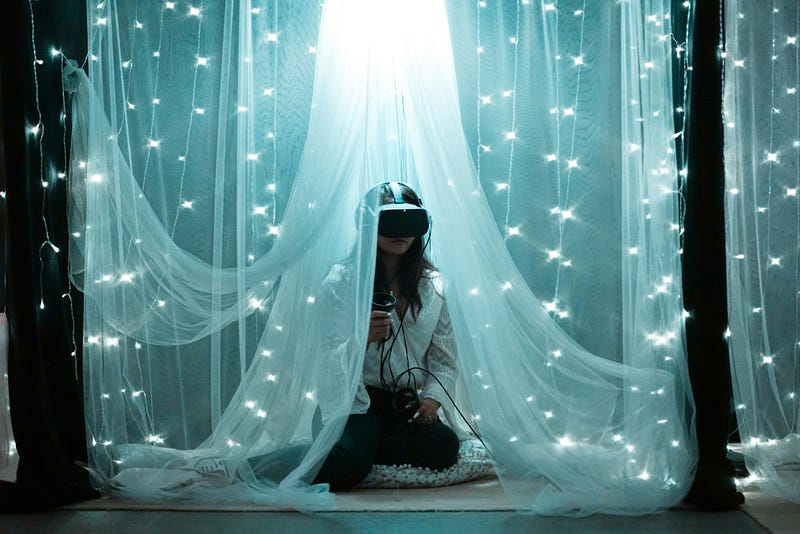
As artificial intelligence reshapes the art world, we explore the implications for creativity, copyright, and the very definition of art itself.
In recent months, AI-generated art has exploded onto the digital landscape, captivating social media users and sparking intense debates within the creative community. Tools like DALL-E, Midjourney, and Stable Diffusion have democratized art creation, allowing anyone with an internet connection to produce stunning visuals with just a few text prompts. But as this technology gains popularity, it’s raising profound questions about the nature of creativity, the future of human artists, and the ethical implications of AI in the art world.
The AI Art Boom: The accessibility and quality of AI-generated art have led to a surge in its popularity. From whimsical mash-ups to photorealistic portraits, these AI tools can produce an astonishing array of images in seconds. This has opened up new possibilities for hobbyists, marketers, and even professional artists looking to streamline their creative process.
The Controversy: However, the rise of AI art hasn’t been without controversy. Here are some of the key issues at the heart of the debate:
- Copyright and Ownership: Who owns the rights to AI-generated art? The person who wrote the prompt, the developers of the AI, or no one at all? This question has led to legal battles and heated discussions about intellectual property in the digital age.
- The Data Dilemma: Many AI art tools are trained on vast databases of existing artwork, often without the explicit consent of the original artists. This has raised concerns about the exploitation of human creativity and the potential for these tools to replicate an artist’s unique style without compensation.
- The Future of Human Artists: As AI-generated art becomes more sophisticated, some worry about the impact on human artists. Will AI replace certain types of artists, or will it become a tool that enhances human creativity?
- Authenticity and Emotional Value: Can AI-generated art evoke the same emotional response as human-created art? Some argue that the lack of human intent and experience behind AI art diminishes its value and authenticity.
- Ethical Use and Misinformation: The ability to create realistic images quickly and easily has raised concerns about the potential for misuse, such as creating deepfakes or spreading visual misinformation.
The Potential Benefits: Despite the controversies, proponents of AI art point to several potential benefits:
- Democratization of Art: AI tools make art creation accessible to those who may lack traditional artistic skills or resources.
- New Forms of Expression: AI can push the boundaries of what’s possible in visual art, leading to new styles and forms of expression.
- Efficiency in Commercial Art: For industries like advertising and game design, AI tools can streamline the creation of visual assets.
- Collaborative Potential: Some artists are embracing AI as a collaborative tool, using it to enhance their creative process rather than replace it.
Looking to the Future: As AI art continues to evolve, it’s clear that the creative landscape is undergoing a significant transformation. The challenge lies in navigating this new terrain in a way that respects human creativity, addresses ethical concerns, and harnesses the potential of AI to enhance rather than replace human artistry.
The AI art revolution is just beginning, and its full impact on the creative world remains to be seen. As we grapple with the ethical, legal, and philosophical questions it raises, one thing is certain: the conversation around art, creativity, and technology will never be the same.
What are your thoughts on AI-generated art? Have you experimented with these tools, and if so, what was your experience? Share your perspective in the comments and join the ongoing dialogue about the future of art in the age of AI.