

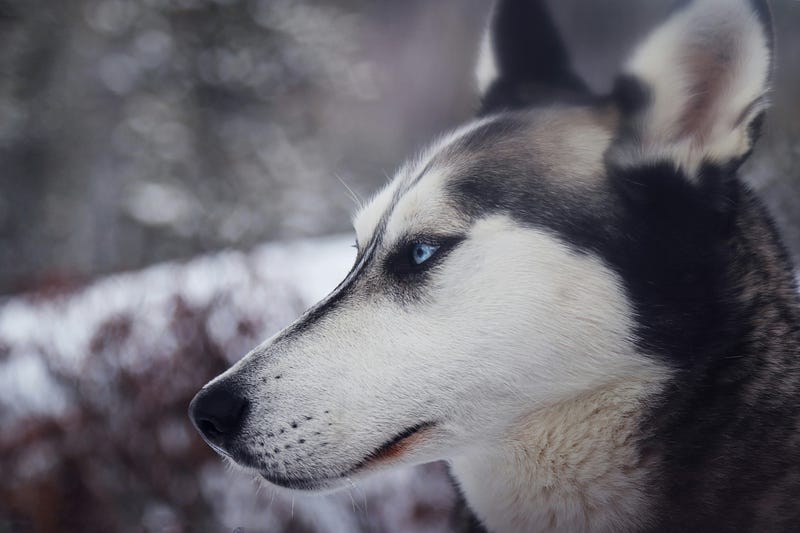
Owning a Husky is like having a highly energetic, independent, and intelligent best friend. As a breed known for its strength, agility, and stamina, Huskies are incredible companions, but they come with their own unique challenges. My 2-year-old male Husky has been both a joy and a learning experience, teaching me how essential emotional bonding is to ensure he’s not just well-behaved but genuinely happy.
The Emotional Intelligence of a Husky
Huskies are highly emotional dogs. Unlike some breeds that can be more content with occasional attention, Huskies crave interaction, routine, and — most importantly — an emotional connection. If they don’t feel bonded with their human family, they’re likely to act out, become anxious, or even engage in destructive behaviors.
Huskies are social animals that thrive in a “pack,” and for them, you are their pack leader. They are emotionally attuned to you, meaning that they can pick up on your moods and energy levels. This makes them incredibly loyal but also prone to anxiety if they feel neglected or isolated. When you establish a deep emotional bond with your Husky, you create a relationship of trust and mutual understanding.
Signs Your Husky Feels Emotionally Connected
- Constant Companionship: Huskies that feel emotionally bonded will follow you everywhere, even if it’s just from the living room to the kitchen. This shows that they want to be where you are and enjoy your presence.
- Eye Contact: If your Husky is making steady, soft eye contact, this is a sign of trust. This silent communication says, “I feel safe with you.”
- Excitement When You Return: There’s no better greeting than the one you get from a Husky after being gone for a few hours. Their excitement — tail wagging, jumping, and happy vocalizations — shows their emotional attachment.
- Cuddling: Huskies may not be known as lap dogs, but when they feel emotionally close to you, they’ll seek out physical touch. Whether it’s laying their head on your lap or snuggling close during quiet moments, they show their affection through closeness.
How to Strengthen the Emotional Bond with Your Husky
- Consistency is Key Huskies thrive on routine. Set regular feeding times, walking schedules, and training sessions. When they know what to expect, they feel secure and happy. My Husky knows that we go on walks at the same time every day, and he eagerly anticipates those moments. This consistency has made our bond stronger because he trusts me to meet his needs.
- Training and Playtime Training is not just about obedience — it’s about communication. Huskies love mental challenges, so teaching them new commands or tricks stimulates their minds and builds your connection. Playtime is also a great way to bond. Whether it’s a game of fetch, tug-of-war, or agility training, these activities strengthen the emotional tie between you and your dog.
- Quality Time Huskies aren’t independent loners — they need quality time with their humans. Whether it’s spending time on long hikes or simply sitting together while you work, they appreciate being in your presence. I make sure to set aside time every day for one-on-one attention with my Husky, and it has worked wonders for our relationship.
- Communication Huskies are vocal dogs and will often “talk” to you. Responding to their vocalizations — even if it’s just in a playful way — helps them feel understood. My Husky and I have little “conversations,” where he howls or whines, and I respond. It may sound silly, but it’s one of the ways we connect.
- Physical Touch Just like humans, dogs need physical touch to feel loved. Petting, belly rubs, and gentle scratches are all ways to show your Husky affection. Many people think Huskies are too independent for this kind of bonding, but in reality, they love affection and physical connection.
Recognizing Emotional Needs
While bonding with a Husky can be incredibly rewarding, it’s important to recognize when your dog is feeling emotionally neglected or stressed. Here are some signs that your Husky may need more attention:
- Destructive Behavior: Chewing on furniture, digging holes, or tearing up toys can be signs of boredom or anxiety.
- Excessive Barking or Howling: Huskies are naturally vocal, but if they’re making more noise than usual, it could be a sign they’re feeling lonely or neglected.
- Pacing or Restlessness: This could indicate anxiety, especially if they aren’t getting enough physical exercise or emotional engagement.
The Importance of Physical Exercise
One key to maintaining a strong emotional bond with a Husky is keeping them physically engaged. Huskies were bred to pull sleds over long distances, so they have a natural need for physical activity. A well-exercised Husky is a happy Husky. Without regular exercise, they can become frustrated, and that frustration can strain the emotional bond between you.
Why Emotional Bonding Matters
The emotional connection between you and your Husky is more than just affection — it’s essential for their well-being. Huskies are intelligent, sensitive, and full of energy, which makes emotional engagement critical for a harmonious relationship. When you take the time to understand your dog’s communication style, needs, and emotions, you foster a deeper bond that benefits both you and your dog.
My own journey with my 2-year-old Husky has taught me that dogs, especially Huskies, are not just pets — they are emotional beings who crave love, attention, and connection. By recognizing their signs, communicating effectively, and providing consistent love and care, you can ensure that your Husky is not only healthy and well-behaved but also genuinely happy.