

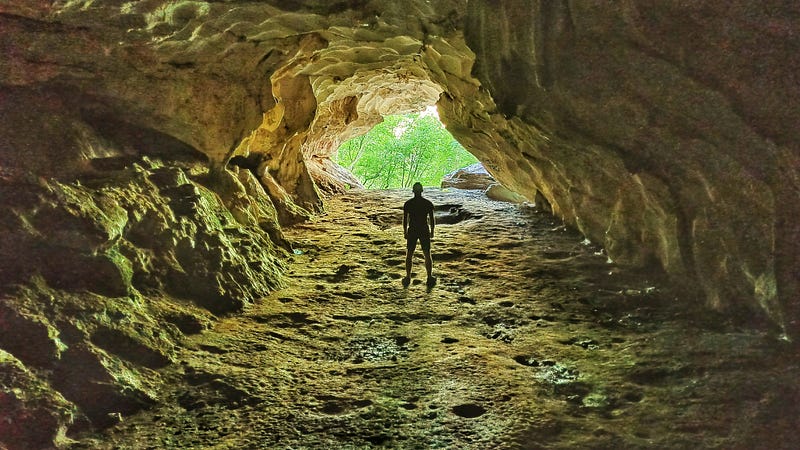
We’ve all heard the phrase, “Eat like a caveman” thanks to the rise of the Paleo diet. But what if you could live like a caveman? In a world dominated by technology, fast-paced schedules, and endless distractions, the idea of stripping back to a simpler existence feels both terrifying and liberating. Inspired by the lifestyle of our Paleolithic ancestors, I decided to do just that: for 30 days, I lived like a caveman.
No smartphone, no internet, no processed food. Just nature, basic tools, and the raw essentials of life. I wanted to know how this would affect not only my body but my brain. Would I feel more alive and connected? Or would I crumble under the pressure of a world without modern conveniences?
Here’s what I learned in 30 days of going back to basics.
Day 1–7: The Shock to the System
The first week was, to put it mildly, rough. My routine was upended. The first few mornings, I instinctively reached for my phone, only to remember it was locked away. The disconnection from digital life left me feeling like I had lost a limb. In a sense, I had. No social media, no emails, no constant notifications to keep my brain stimulated.
Instead of relying on apps for my daily routines, I turned to the sun for timekeeping and the sounds of nature for background noise. I walked barefoot, collected water from natural sources, and spent hours gathering firewood. At night, there was no Netflix to wind down. Instead, I sat by a fire, gazing at the stars, and let my thoughts wander.
During this period, my brain craved the dopamine hit of modern life—quick, easy stimuli that we don’t even realize we’re addicted to. By day three, I felt a deep sense of boredom and even withdrawal. But something interesting began to happen as the week came to a close.
Day 8–14: Finding a New Rhythm
By the second week, the brain fog started to lift. Without constant distractions, I found that my senses began to sharpen. I was more attuned to the environment—the subtle sounds of birds, the wind rustling through trees, even the way the light shifted during different parts of the day. My ability to focus on a single task increased, as there was no need for multitasking.
With food, I had to gather and prepare everything from scratch. Hunting, gathering, and foraging required both patience and mindfulness. It was during these activities that I realized how much of our modern life is designed for speed and convenience. Yet, this slowness offered its own reward: satisfaction from doing things with intention.
Physically, my body began to change. I felt stronger from carrying logs and walking long distances, but the mental transformation was even more surprising. My thoughts became clearer, and I noticed that I was less anxious. The constant buzz of worry, deadlines, and online pressures faded away. In its place came a calm focus that I hadn’t experienced in years.
Day 15–21: The Creativity Boost
By the middle of the third week, my brain seemed to hit a creative high. It turns out that boredom is a powerful tool for creativity. Without the ability to instantly entertain myself through screens, my mind was forced to entertain itself. I started to think in ways I hadn’t before, coming up with ideas for projects, writing, and problem-solving in ways that felt deeper and more intuitive.
The modern world gives us endless content, but when we strip that away, we’re left to confront our own thoughts. And in doing so, we tap into parts of our brain that are often neglected.
This shift wasn’t just about creativity in terms of work, though. I found myself becoming more inventive with daily tasks: finding new ways to create tools, prepare food, and even build shelter. Living like a caveman pushed my brain to think outside the box, and I realized just how much modern conveniences limit our creative thinking.
Day 22–30: The Brain on Nature
The final week brought the greatest shift. My brain felt alive in a way I hadn’t experienced since childhood. The constant exposure to nature had a profound effect. Studies show that being in nature can reduce stress, boost mood, and even enhance cognitive function. Now, I was living proof.
Without artificial lights, my circadian rhythm had aligned perfectly with the sunrise and sunset. I woke up naturally, full of energy, and felt a deep sense of peace. It was as if my brain had settled into a natural flow, free from the overstimulation of modern life.
Socially, I had fewer distractions and found deeper, more meaningful connections with the few people I interacted with. When I did speak to others, the conversations were more present and authentic. There were no interruptions from devices or half-hearted attention spans.
By the end of the experiment, my brain was functioning at its best: sharper focus, enhanced creativity, deeper connections, and reduced anxiety. The frenetic energy I carried into the experiment had melted away, replaced by a grounded, calm awareness.
Key Lessons from Living Like a Caveman
1. Boredom is a Gift
Boredom forces the brain to create, problem-solve, and reflect. In modern life, we avoid boredom at all costs, but it is one of the most powerful tools for fostering creativity and mental clarity.
2. Nature is Medicine for the Mind
Spending extended time in nature—without technology—reconnects you with a natural rhythm that is essential for mental health. The simplicity of life outdoors offers a sense of peace that we rarely find in the chaos of modern living.
3. Digital Detox is More Than a Trend
Cutting out screens and digital distractions wasn’t just refreshing—it was necessary. My attention span improved, and I experienced a heightened awareness of my surroundings, emotions, and thoughts.
4. Slowness is Productive
Modern life teaches us to rush through everything, but when we slow down, we perform better. Whether it’s preparing food, walking, or even thinking, doing things slowly and mindfully leads to better results and a more fulfilling experience.
5. The Modern World Overstimulates Our Brains
From notifications to social media, our brains are on overdrive in modern life. By stripping away these distractions, I could think more clearly and focus on what truly mattered. The result? Better mental health and more meaningful work.
Final Thoughts
Living like a caveman for 30 days was challenging but deeply rewarding. While I’ve since returned to modern conveniences, the lessons I learned during that month have stuck with me. I now make it a point to spend more time disconnected from technology, immerse myself in nature, and embrace the beauty of doing things slowly and intentionally.
The brain is a powerful tool, but it needs rest, stimulation from the natural world, and time to wander. Maybe the cavemen had it right all along.