

In today’s fast-paced world, the decision for a woman to be a housewife is often met with mixed reactions. For some, it’s seen as a throwback to traditional gender roles, while for others, it represents a deeply personal and empowering choice. The truth is, women’s reasons for choosing to be housewives are diverse, and they reflect a spectrum of desires, values, and priorities. Let’s dive into the factors behind why some women want to be housewives — and why it’s a decision that should be respected.
1. The Desire for Balance
Many women see becoming a housewife as a way to create balance in their lives and their families. In a world where the demands of career, children, and personal growth can often seem overwhelming, some women opt for the role of housewife to provide stability and peace for themselves and their loved ones.
Choosing to stay home allows them to focus on creating a harmonious household. It’s a way to ensure that family values, mental health, and quality time are preserved, while still allowing space for personal passions that may not align with a traditional 9–5 career.
2. The Value of Home
For some women, the home is a sacred space — a place where they feel most comfortable and productive. Rather than pursuing external recognition in the form of promotions or salaries, they find deep satisfaction in creating a nurturing, organized, and welcoming environment for their families.
This is not about submission or stepping back; it’s about actively choosing to invest time and energy into the place where life unfolds most meaningfully for them. The home becomes a center of care, warmth, and love, and managing it is seen as a form of personal fulfillment.
3. Raising Children on Their Own Terms
One of the most common reasons women choose to be housewives is their desire to be the primary caregiver to their children. This is often framed not as a sacrifice, but as a privilege. Many women want to be fully present during their children’s formative years, guiding them, teaching them, and instilling family values.
Childcare is expensive, and many women feel that no one can care for their children quite like they can. By choosing to stay at home, they ensure that their kids receive the upbringing and attention they believe is best for their development.
4. Escaping the Grind
For some women, the professional world is a source of stress, dissatisfaction, or disillusionment. The relentless pressure to “have it all” — a thriving career, a perfect home, and a happy family — can leave them burnt out. Becoming a housewife offers a way to escape the corporate grind and the unrealistic expectations that come with it.
This doesn’t mean these women are lazy or lack ambition. On the contrary, many housewives are highly organized and driven in their own right. They just prefer to channel their energy into the home and family life, where they find greater purpose and joy.
5. Cultural and Personal Values
For many women, the decision to be a housewife is deeply tied to their cultural, religious, or personal values. In some cultures, staying at home to take care of the family is seen as an honorable and fulfilling role. In other cases, women may have grown up with strong role models who were housewives, and they see this path as a continuation of that tradition.
These women don’t view being a housewife as a loss of identity or independence; instead, it’s a reflection of their belief system and an expression of their individuality. It’s a conscious choice based on how they want to live their lives and support their families.
6. Rediscovering Passions and Hobbies
Interestingly, becoming a housewife can free up time for personal passions and hobbies that a full-time job might not allow. Some women choose this lifestyle to focus on personal projects, whether it’s writing, crafting, volunteering, or even running a side business from home.
Being a housewife doesn’t mean one is unproductive; it often means women are dedicating their time to pursuits that don’t align with traditional career paths but are equally, if not more, fulfilling to them personally.
7. A Partnership of Equals
Contrary to popular belief, many housewives don’t feel like they’re surrendering power or control. Instead, they view their decision as part of a partnership of equals. In healthy relationships, both partners recognize the value each brings to the table, whether that’s financial support or managing the home.
Being a housewife, for many women, isn’t about dependency but rather a collaboration. They see themselves as active contributors to the household in a different way than their working partners, each playing to their strengths to ensure a balanced and thriving family unit.
8. Challenging Stereotypes
One of the most important reasons women choose to be housewives is to reclaim the narrative around it. Society often equates success with professional accomplishments, but many women push back against this narrow definition of achievement.
They view their decision as a feminist choice, not a regression. It’s about defining success on their own terms, and for some, that includes the right to choose home life over career advancement. By embracing the role of a housewife, these women are challenging outdated stereotypes and expanding the idea of what modern womanhood can look like.
9. The Rise of Homemaker Influencers
Social media has given rise to a new kind of housewife: the influencer. Women who choose to stay home are now using platforms like Instagram, YouTube, and TikTok to share their homemaking tips, DIY projects, recipes, and parenting advice with massive online audiences. These women are proving that being a housewife can be both creative and financially rewarding.
By documenting their daily lives, sharing their routines, and connecting with followers, these homemaker influencers are challenging outdated perceptions and showing that a woman’s worth isn’t determined solely by her career in a traditional sense. Their content reaches millions, and in many cases, they are earning substantial incomes while staying true to their home-focused lifestyle.
10. Mental Health and Emotional Fulfillment
For many women, becoming a housewife is tied to their mental and emotional well-being. Juggling a high-powered career with family responsibilities can often lead to burnout and stress. Choosing to stay home allows some women to slow down, focus on their family, and care for themselves in ways they weren’t able to in the workforce.
This decision can lead to greater emotional fulfillment, as they no longer feel torn between work and home. By dedicating themselves fully to one role, they may experience deeper connections with their partners and children, reduced stress levels, and more control over their daily lives.
11. A Unique Kind of Independence
There’s a common misconception that being a housewife equates to dependency. However, many women view this role as a unique form of independence. Rather than answering to a boss or following a corporate schedule, housewives have the freedom to structure their day as they see fit. They are in control of their environment, their time, and their tasks.
This autonomy allows them to focus on what matters most to them without the external pressures of the corporate world. The ability to make choices about how they spend their days, raise their children, and manage their households gives them a sense of freedom that many women in traditional jobs don’t have.
The Power of Choice
At the end of the day, the decision to be a housewife is deeply personal. It’s a choice that reflects a woman’s values, desires, and vision for her life. Rather than seeing it as a step backward, we should recognize it for what it is: an empowered choice to prioritize home, family, and personal fulfillment.
Every woman should have the freedom to live her life in the way that feels most authentic to her, whether that’s pursuing a high-powered career, raising children, or running a household. What truly matters is that women have the choice — and the respect — to decide what path is right for them.
The Evolving Role of Housewives
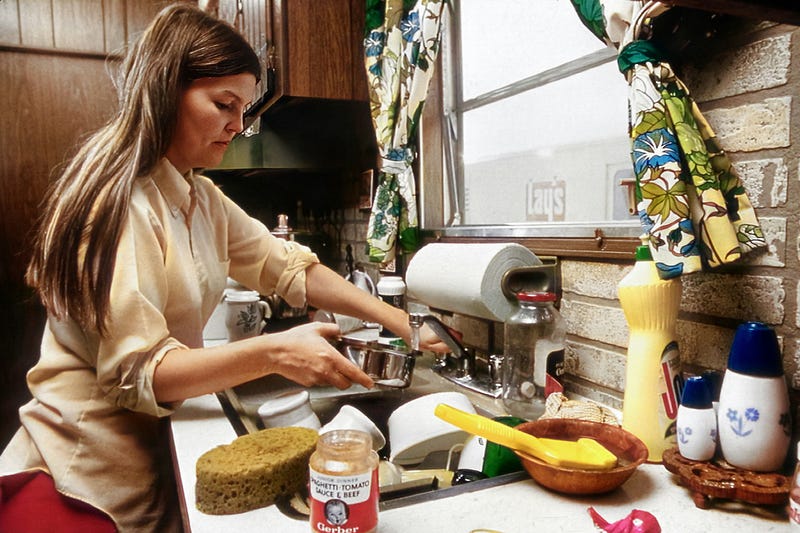
In recent years, the role of the housewife has evolved in fascinating ways. With advancements in technology, more women are finding ways to combine their roles as housewives with entrepreneurial ventures. Many stay-at-home women now run online businesses, manage blogs, or even develop side hustles while caring for their families. This hybrid lifestyle reflects the changing landscape of what it means to be a housewife in the 21st century.
Women are no longer confined to the stereotype of “just staying home.” They are leveraging their skills, talents, and passions in ways that allow them to contribute financially while still fulfilling their personal desire to be the main caretakers of their families. From managing Etsy shops to running freelance businesses, housewives are redefining productivity on their own terms.
Breaking the Mold
Being a housewife is no longer about fitting into a prescribed role or living according to someone else’s expectations. It’s about making a conscious decision that reflects what a woman values most in her life. Whether it’s raising children, managing a household, or simply choosing to focus on personal well-being and family, becoming a housewife is a legitimate, empowered choice.
Ultimately, we should celebrate all women for the decisions they make — whether they choose to build a career, run a business, stay home with their children, or do a combination of all three. In a world that increasingly values choice and autonomy, the role of the housewife should be recognized and respected as a powerful expression of self-determination.
Let’s move beyond outdated stereotypes and embrace the diversity of choices women make every day, understanding that true empowerment comes from having the freedom to live life in alignment with one’s values and desires.