

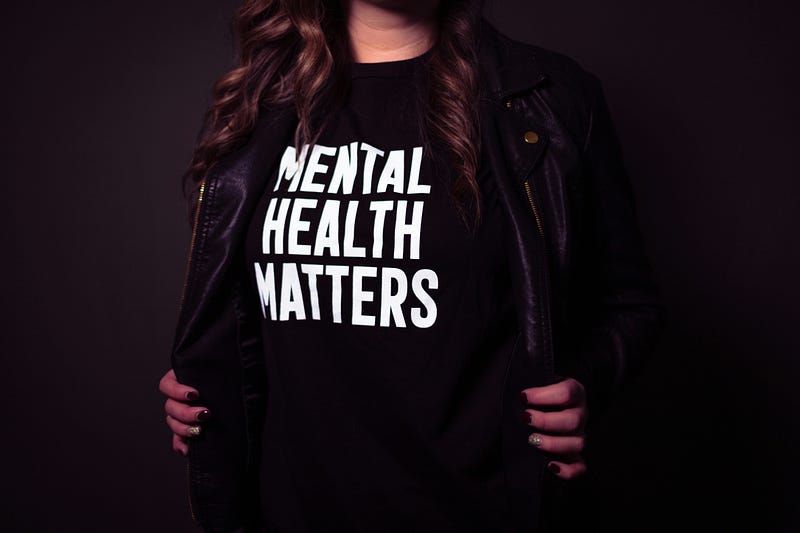
Mental health is not a buzzword — it’s a lifeline in today’s fast-paced, hyper-connected, and often overwhelming world. We live in a time where everything around us feels designed to pull us in different directions, leaving many of us struggling to stay grounded.
I’ve seen it in myself and those around me, and it’s clear: mental health has never been more important than it is today.
Let me break down why.
The Weight of Society’s Expectations
First off, let’s talk about society. We live in a world where there’s this constant pressure to “be more,” “achieve more,” and to do it all faster than ever. It’s exhausting. From a young age, we’re taught that success is about numbers — grades, followers, income — forgetting the importance of balance and well-being. The pressure to succeed in a society that celebrates constant hustle has led to a collective burnout, and it’s no wonder so many of us feel mentally drained.
I’ve personally felt the effects of this societal pressure. There were times I chased goals that weren’t even mine, just because I thought it’s what I should be doing. When you’re constantly measuring yourself by external standards, you lose sight of your own needs, and mental health takes a backseat.
False Marketing and the Pursuit of “Perfection”
Everywhere we look, there’s an image being sold to us — one that promises happiness and success, but only if we buy into a certain lifestyle, product, or appearance. False marketing has convinced so many people that they need to look a certain way, have a particular status, or live an idealized life that simply doesn’t exist. Whether it’s influencers on social media showcasing their “perfect” lives or brands capitalizing on insecurities, it’s all a trap.
I’ve fallen into this too. There’s always that nagging feeling of “Why don’t I look like that?” or “Maybe if I buy this product, I’ll feel better about myself.” But that happiness is fleeting. The mental toll from chasing unattainable ideals is very real, and it can lead to anxiety, self-doubt, and even depression. It’s vital to recognize these external pressures for what they are — manipulations that exploit our insecurities — and instead focus on nurturing our mental well-being.
The Dangerous Loop of Smoking and Alcohol
Now, I’ve seen countless people turn to smoking or alcohol as a coping mechanism, and to be honest, I’ve been there myself. It starts off as a way to “unwind” or “take the edge off,” but over time, it becomes a crutch. Society often romanticizes these habits — think about every movie scene where someone pours a drink after a hard day — but what we’re not shown are the long-term mental health consequences.
Smoking and alcohol, while they might provide temporary relief, only serve to numb what we’re truly feeling. The problems don’t go away — they’re just suppressed. Over time, the effects on mental health are undeniable: increased anxiety, depression, and a disconnect from our emotions. I’ve seen people spiral into a worse state after relying on these substances, and it’s a stark reminder that taking care of our mental health requires genuine, healthy coping strategies, not harmful vices.
The Overload of Digital Media
Perhaps the biggest challenge to mental health today is digital media. We live in a world that never switches off. Every day, we’re bombarded by news, social media, notifications, and comparisons. It’s overwhelming, to say the least. The constant consumption of digital media is mentally exhausting, and the worst part is, many of us don’t even realize the toll it’s taking on us until we feel completely burned out.
Personally, I’ve had moments where I mindlessly scrolled through Instagram or Twitter, only to feel worse afterward. The highlight reels of others’ lives, the political arguments, the never-ending stream of information — it’s too much. There’s this pressure to stay “plugged in” and constantly available, but our minds weren’t built for this 24/7 engagement.
Studies have shown how social media can negatively impact mental health, leading to feelings of inadequacy, loneliness, and increased stress. I’ve had to set boundaries with my own digital consumption to regain some sense of peace, and it’s made a huge difference.
Mental Health and Studies: A Heavy Burden
And let’s not forget about the impact on students. Academic pressures are higher than ever, with students facing unrealistic expectations to perform in an environment that rarely promotes mental well-being. Long hours, packed schedules, and the pressure to succeed academically can push students to the breaking point.
I’ve seen this firsthand in my own academic journey. There’s this unspoken expectation that success in school equals success in life, and it creates an immense amount of stress. But what we don’t talk about enough is how sacrificing mental health for academic success often leads to burnout, lack of motivation, and in extreme cases, mental breakdowns. We need to value mental well-being alongside academic achievement because, without it, none of the success will truly matter.
The Need for Balance
At the end of the day, mental health is not something that can be brushed aside. It’s at the core of everything — how we work, how we connect with others, and how we live our lives. If we don’t prioritize it in this chaotic, pressure-filled world, we’re setting ourselves up for failure.
We need to challenge the false marketing, break away from unhealthy coping habits, and set boundaries with the digital world. We need to remember that mental health is just as important as physical health, and it deserves the same amount of attention and care.
So, let’s make space for mental well-being in our lives, because in today’s world, it’s not just important — it’s essential.