

I Want to Die Like a King
Yes, it’s true — women tend to outlive men, statistically speaking. But for me, it’s not about who lives longer; it’s about how we live.
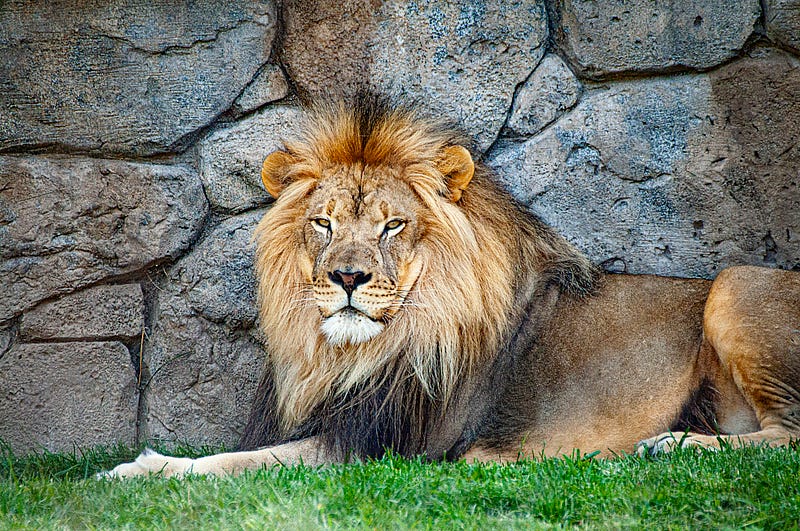
I don’t just want to live long, I want to live — and eventually leave — like a king, with purpose and dignity intact. The kind of life that leaves no loose ends, where my impact resonates beyond my years. Not simply surviving to the end, but truly thriving until it’s time to go.
Let’s be real: there’s a certain boldness in deciding how you want to meet the end. If men don’t live as long, maybe that’s our cue to make every moment count while we’re here. Charles Darwin once suggested that women’s longevity could be nature’s way of ensuring family continuity, a role that seemed less applicable to men. But that perspective barely scratches the surface of what we all, men and women alike, can choose to live for.
Living Fully, Not Just Long
For me, living like a king isn’t about luxury or authority; it’s about living with intention. Taking risks, making an impact, and refusing to settle into comfort just because the years start stacking up. I want to be remembered for more than just the number of birthdays I celebrated; I want to leave behind stories that inspire, actions that resonate, and relationships that endure.
It’s not a secret that men often face higher health risks and mortality rates due to lifestyle choices, genetics, or simply a tendency toward high-risk behavior. We may be hard-wired for action, but that doesn’t mean we have to sacrifice self-care or longevity. Instead of passively accepting a shorter lifespan, why not take control of it? Why not be the kind of man who ages with strength, even if time is shorter?
I’m not blind to the realities that come with aging. Muscles weaken, bones grow brittle, and yes, the mind might wander. But I believe men can redefine how we confront these changes. We can train our bodies, nurture our minds, and strengthen our spirits as we age, embracing challenges rather than fearing them. Living like a king, to me, means facing these battles head-on, adjusting as needed, and accepting that resilience is the ultimate strength.

Crafting a Legacy That Lasts
There’s an old saying about kings who live on through the stories of their people. That’s the legacy I want to leave — a legacy that outlives me. Building something meaningful, mentoring others, cherishing relationships, and making memories with the people who matter. In the end, it’s not about titles, wealth, or a long list of achievements; it’s about the respect, love, and purpose you leave behind.
And maybe that’s why men often feel the pull to do more, live louder, love harder. If our time is shorter, then let’s make it louder. I want to build something that outlasts my years, that leaves a footprint, that gives meaning to the life I’ve led.
And when I’m gone, I want people to remember not just a man who “made it” or checked off a list of achievements, but someone who lived with passion, kindness, and a fierce dedication to his principles. I want to be remembered as a man who laughed wholeheartedly, who was there for those he loved, and who gave all of himself to whatever he cared about. To me, that’s a real legacy — one that can’t be measured in material success but in the moments that mattered.
Because in the end, I want people to look back and say, “He lived with a purpose. He wasn’t perfect, but he gave everything to make his mark.” That’s what it means to die like a king — leaving people better for having known you, leaving behind memories that outshine the finality of death.
The Strength to Embrace Vulnerability
There’s a misconception that men have to be stoic, unbreakable, untouched by fear. But real strength comes from knowing yourself, acknowledging what scares you, and choosing to keep going anyway. For me, that includes being open about my struggles, my dreams, and even my fears. Dying like a king isn’t just about going out in glory; it’s about living with authenticity, embracing your vulnerabilities, and showing the world that men can have depth and heart.
I want to show that being a man isn’t about putting up walls or shutting down emotion. It’s about feeling things deeply, giving yourself permission to be human, and refusing to conform to society’s narrow expectations. That’s the kind of king I aspire to be — one who stands strong but knows when to let his guard down, who isn’t afraid to love deeply or live fully.
A Farewell with No Regrets
One day, when I’m standing at the edge of my journey, I want to be able to look back and say, “I gave it everything I had.” I want to leave this life with no regrets, no lingering “what ifs,” and no missed opportunities. Because at the end of the day, to die like a king means to live without fear of what others think, to take chances, to love wildly, and to never let life pass you by.
So when the time comes for me to go, I want to face it head-on, knowing I’ve lived as fiercely as possible. I want to go out like a man who has nothing left to prove because he’s left his heart in everything he’s done. That’s my idea of a king’s death — not one of power or glory but one of peace and fulfillment, with the knowledge that I’ve truly lived.
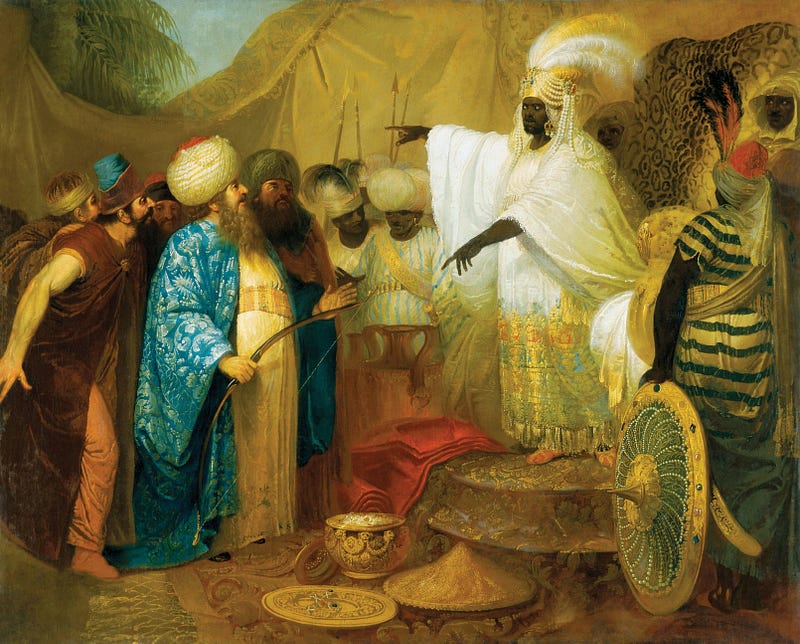
When I think of men who died like kings, it’s hard not to reflect on the legacy they left behind — built from a life of depth, resilience, and the courage to be real. Take Chadwick Boseman, for instance. Known for bringing iconic roles to life, he privately fought a battle with cancer, choosing to live with strength and purpose until the very end. He showed us all what it meant to leave a legacy, not through grand announcements or accolades but by giving his best to his craft and the people he loved, even when no one knew the pain he was in. He didn’t ask for sympathy; he just kept showing up, like a true king, until his final day.
Another example is Anthony Bourdain. He didn’t have the fairy-tale life, but he lived with a fierce passion for exploration, authenticity, and curiosity. Bourdain didn’t care for surface-level happiness; he dug deep into human culture and connection, traveling the world and showing us the beauty and messiness of life itself. When he passed, his legacy of openness, adventure, and respect for the world’s diversity became even clearer. He reminded us that to live fully is to engage with people, to push boundaries, and to leave the world better than we found it.
Closer to home, I think of my grandfather, who may not have had fame or riches, but was the strongest man I knew. He worked hard, cared deeply, and always took time to show up for his family. Even in the simplest acts — like teaching me to fix a leaky faucet or sharing stories about his life — he left behind lessons that shaped me. He didn’t need to be a king in the eyes of the world; he was one to me and everyone who knew him. And in that way, he left a legacy of resilience, kindness, and integrity.
Living for Today, Building a Legacy for Tomorrow
I also think of ordinary people around us who show us daily what it means to live with purpose. The teachers who inspire generations, the nurses who spend extra hours comforting patients, or the single dads who do everything in their power to give their children a good life. These are people who may not be recognized widely, but they are kings and queens in their own right, choosing to live with strength, vulnerability, and a commitment to something bigger than themselves.
These examples remind me that living and dying like a king isn’t reserved for those with wealth or status — it’s for anyone willing to show up fully in life, to give everything they have, and to leave something meaningful behind. Whether it’s a kind word, an inspired moment, or a lifetime of memories, each of us has the power to build a legacy that endures.
Why This Matters
Seeing these examples inspires me to embrace every part of life — the tough moments, the struggles, the love, the laughter — without shying away. I want to live in a way that, when my time comes, I can look back with pride, knowing I gave my all. Like the great men and women who came before me, I want to live in a way that impacts those around me, even in the smallest ways, long after I’m gone.
Because in the end, a king’s life isn’t measured by his crown or castle, but by the people he touched, the lives he changed, and the love he left behind. And that’s a legacy worth striving for.