

Husky is Talking to You
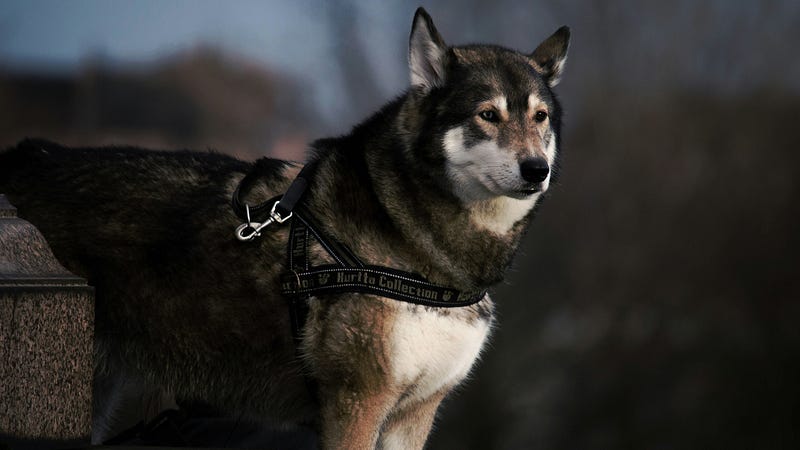
Having a dog is like having a silent companion that expresses love, excitement, and even frustration in its own unique way. For anyone who’s owned a dog — especially a high-energy breed like a Husky — you know they’re constantly “talking” even without words. Huskies, in particular, are known for their vocal nature and quirky behaviors. As a proud owner of a 2-year-old male Husky, I’ve come to realize how much our pets say through their actions. Understanding these signs can deepen the bond you share with your furry companion.
Why Dogs Communicate
Dogs, like humans, communicate to express their needs, emotions, and reactions to their surroundings. Their communication goes beyond barking and involves a whole range of behaviors — from how they move their ears to the way they wag their tails. Each dog breed has its own communication style, and Huskies are especially known for their dramatic expressions and vocalizations.
Huskies tend to be highly social and pack-oriented, which means they “talk” to both humans and other dogs. Their way of communicating helps them establish relationships, communicate their needs, or just get attention.
How Dogs Communicate: Key Signs to Look For
While dogs may not speak our language, they definitely have their own. Here are some common ways dogs, particularly Huskies, show their emotions and needs:
- Vocalizations (Whining, Howling, Talking) Huskies are famous for their vocal abilities. They often “talk” in ways that sound eerily human. My Husky, for instance, will howl to get attention or “talk” when he’s excited. It’s not a bark — it’s more like a melodic mix of howling and whining, as if he’s trying to have a conversation.
- Whining: This usually means your Husky is seeking attention or expressing discomfort. If your dog is whining a lot, it could mean he wants to go outside, needs some food, or just wants to play.
- Howling: Huskies have a natural tendency to howl, which dates back to their wolf ancestry. This can be triggered by sounds, like sirens, or can simply be a way for them to express their energy.
- Talking: Some Huskies have an uncanny ability to mimic human speech patterns. Don’t be surprised if you hear what sounds like a “hello” or “I love you” coming from your dog.
2. Tail Wagging A wagging tail is one of the most common signals, but it’s not as simple as “happy dog.” Tail movements can indicate a wide variety of emotions.
- High, fast wagging: This usually means excitement or happiness.
- Low, slow wagging: This can signal uncertainty or submission.
- Tucked tail: A sign of fear or discomfort.
3. . My Husky loves to wag his tail like a flag whenever he’s about to go for a run or sees me pick up his favorite toy. It’s like his way of saying, “Yes, this is the best part of my day!”
4. . Body posture A dog’s posture tells you a lot about how he’s feeling. Huskies, being highly energetic, often have exaggerated body language.
- Play Bow: When your Husky bends down with his front paws stretched out and his rear in the air, it’s an invitation to play. This is one of the most obvious signs that your dog is in a good mood.
- Raised Hackles: If the hair on his back stands up, it’s a sign he’s feeling threatened or anxious.
- Stiff Posture: A stiff body could signal aggression or discomfort. If your Husky freezes and stares, it’s best to back off or check the environment for anything that could be causing stress.
5. Eye Contact and Ears Dogs use their eyes and ears to express their feelings.
- Direct Eye Contact: In the canine world, direct eye contact can be seen as a challenge. However, with your dog, it often signals trust and connection.
- Averting Eyes: This means your dog is trying to show submission or avoid confrontation.
- Perked Ears: When a Husky’s ears are standing tall and facing forward, it means he’s alert and curious.
- Flattened Ears: This could indicate fear or submission. If your Husky is feeling anxious, his ears might flatten against his head.
6. Pawing and Nudging Huskies are affectionate, and one way they show this is by nudging you with their nose or pawing at you. This behavior often means, “Hey, I want attention,” or “Pet me!” It’s their way of initiating interaction.
Signs Your Husky is Content
While Huskies can be vocal and energetic, they also show signs of happiness and contentment in more subtle ways:
- Relaxed body and wagging tail: A relaxed Husky with a wagging tail and soft eyes is a happy dog.
- Rolling over: Exposing their belly is a sign of trust and comfort.
- Following you around: Huskies are pack animals, so if your dog follows you from room to room, it means he enjoys your company and wants to be where the action is.
Knowing When Your Husky is Uncomfortable
Just as important as recognizing when your dog is happy is understanding when he’s stressed, anxious, or unwell:
- Panting excessively: This could be a sign of heat, anxiety, or discomfort.
- Hiding or being distant: If your normally social dog is suddenly hiding or avoiding interaction, something might be bothering him.
- Pacing: If your Husky is pacing restlessly, it could be a sign of anxiety or boredom.
Learning to Speak “Husky”
Understanding your dog’s signs and behaviors is crucial in building a strong bond with him. Huskies, with their unique vocalizations and expressive body language, are one of the most communicative breeds. My 2-year-old male Husky has taught me that dogs are constantly telling us what they need, feel, and want — we just have to learn how to listen.
Being able to recognize when your dog is happy, anxious, or simply wants to play deepens your connection. So next time your Husky howls or gives you that long stare, remember, he’s trying to communicate — whether it’s time for a belly rub or another round of tug-of-war.