

I Learned This the Hard Way
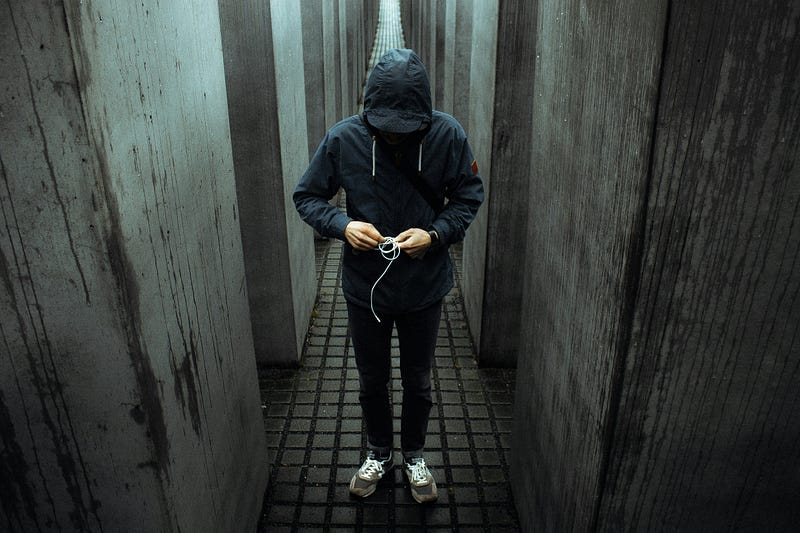
The irony of being an introvert is that while we’re experts at protecting ourselves from external chaos, we often forget to shield ourselves from our own harsh judgments. For years, I’ve navigated the world with careful boundaries and calculated social interactions, only to realize that my biggest critic wasn’t society — it was me.
The Self-Imposed Guilt Trip
Every declined invitation became a weight in my conscience. Every “I need to recharge” moment transformed into “I’m letting everyone down.” I created an elaborate system of self-blame for simply being who I am. The voice in my head constantly whispered: “You should try harder,” “Normal people don’t need this much alone time,” “You’re just being difficult.”
Dancing to Society’s Tune
I found myself apologizing for things that needed no apology:
- “Sorry, I can’t make it to the party” (Why sorry? I wasn’t sick, just preserving my energy)
- “Sorry, I need some alone time” (As if it were a character flaw)
- “Sorry, I’m not feeling very social today” (When did self-care become an offense?)
Each apology reinforced the idea that my natural way of being was somehow wrong, that I needed to fix something that wasn’t broken.
The Relationship Tangle
Dating became a minefield of self-doubt. I measured my worth by how well I could pretend to be extroverted. Every relationship came with the same internal monologue: “Will they understand when I need space?” “Am I too much work?” “Should I force myself to be more outgoing?”
I pushed myself to attend loud gatherings, engaged in exhausting small talk, and stayed longer than my energy allowed — all while telling myself this was what “normal” people do.
The Professional Mask
At work, I wore extroversion like an ill-fitting suit. I said yes to every team lunch, forced myself into unnecessary meetings, and pushed through after-work socializing until I was emotionally bankrupt. The cost? Burnout, anxiety, and a deepening sense that something was fundamentally wrong with me.
The Breaking Point
It took a complete emotional breakdown for me to realize what I was doing to myself. After a particularly draining week of saying “yes” to everything, I found myself crying in my car, overwhelmed by the simple thought of going grocery shopping. That’s when it hit me: I wasn’t protecting my introversion — I was at war with it.
The Path to Self-Acceptance
Healing began with a simple acknowledgment: My introversion is not a flaw to fix but a trait to honor. This meant:
- Stopping the constant apologizing for needing alone time
- Learning to say “no” without elaborate explanations
- Accepting that not everyone will understand, and that’s okay
- Creating boundaries without guilt
- Recognizing that my energy is a finite resource worth protecting
The Relationship Revolution
I started being upfront about my needs in relationships. Instead of trying to match an extroverted partner’s social energy, I learned to communicate clearly:
- “I need quiet time to recharge”
- “Large gatherings drain me quickly”
- “One-on-one time is how I connect best”
Surprisingly, this honesty attracted people who appreciated authenticity over social performance.
The Professional Peace
At work, I stopped trying to be the office social butterfly. Instead, I focused on:
- Contributing meaningfully in ways that suited my strengths
- Taking lunch breaks alone when needed
- Setting clear boundaries around after-work activities
- Using my listening skills and thoughtfulness as assets
The Freedom of Self-Acceptance
The most painful revelation was realizing how much time I’d spent trying to fix something that was never broken. My introversion isn’t a social disability — it’s my superpower. It gives me:
- Deep thinking abilities
- Meaningful connections
- Rich inner life
- Emotional depth
- Careful observation skills
Moving Forward
Now, when I feel the old guilt creeping in, I remind myself:
- My need for solitude is valid
- My energy limits are real
- My way of connecting is valuable
- My introversion is part of my strength
My Message to Fellow Introverts
If you’re reading this and recognizing yourself in these words, know that you’re not alone. The journey to accepting your introversion is precisely that — a journey. It’s okay to need space, to prefer quiet, to process internally.
Stop hurting your own feelings by trying to be someone you’re not. The world needs your thoughtful presence, your quiet strength, and your deep insights. But first, you need to be on your own side.
Remember: The goal isn’t to become more extroverted — it’s to become more authentically yourself.