

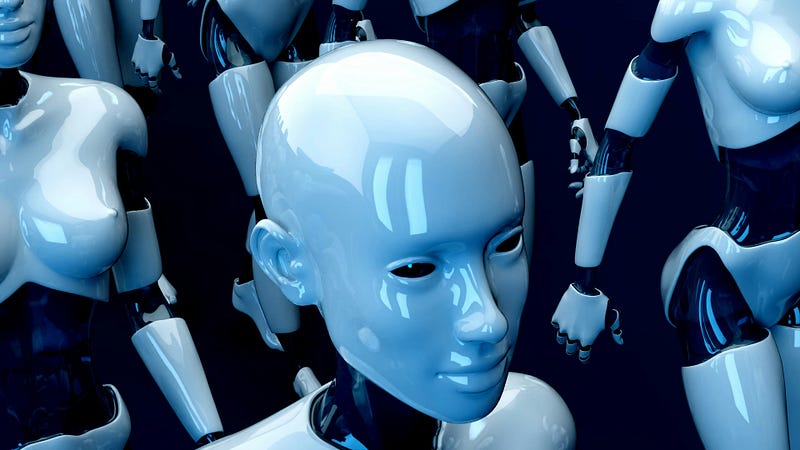
In a world increasingly mediated by technology, a revolutionary new field is emerging that could bridge the gap between human emotion and digital interaction.
Imagine a world where your smartphone doesn’t just recognize your face, but understands your mood. A world where virtual assistants can detect the subtle nuances in your voice that indicate stress or joy, and respond with genuine empathy. This isn’t science fiction — it’s the cutting edge of a field known as Artificial Emotional Intelligence (AEI), and it’s poised to revolutionize how we interact with technology and each other.
1. The Birth of Digital Empathy:
Explore how AEI is evolving from simple emotion recognition to complex emotional understanding and response.
2. Beyond Facial Recognition:
Dive into the multifaceted approach of AEI, incorporating voice analysis, body language interpretation, and even physiological indicators like heart rate and skin conductivity.
3. The Human Touch in Code:
Meet the diverse teams of psychologists, neuroscientists, and engineers working together to imbue machines with emotional intelligence.
4. Ethical Considerations:
Examine the complex moral questions surrounding emotionally intelligent AI. How do we ensure privacy and prevent emotional manipulation?
5. Mental Health Revolution:
Discover how AEI-powered therapybots are providing 24/7 support for those struggling with mental health issues, potentially democratizing access to emotional support.
6. Redefining Education:
Explore how emotionally intelligent tutoring systems could personalize learning experiences, adapting to each student’s emotional state and learning style.
7. The Future of Customer Service:
Imagine call centers where AI agents can truly understand and respond to customer frustrations, potentially transforming the industry.
8. Empathy in the Workplace:
Examine how AEI could reshape team dynamics, conflict resolution, and leadership in the corporate world.
9. The Art of Digital Emotion:
Dive into the world of emotionally responsive art installations and how AEI is pushing the boundaries of interactive experiences.
10. Cross-Cultural Understanding:
Explore how AEI could bridge cultural divides by helping us understand and navigate different emotional norms across cultures.
11. The Loneliness Paradox:
Address concerns about AEI potentially replacing human interaction, and how it might instead enhance our capacity for empathy and connection.
12. Emotional Time Capsules:
Discover how AEI could allow us to create rich, emotionally resonant digital legacies for future generations.
The Human Element:
Throughout this exploration of AEI, we’ll weave in personal stories and perspectives:
– Meet Sarah, a teenager with autism who’s using an AEI-powered app to better understand and express her emotions.
– Follow Dr. Rajesh Kumar, an AI ethicist grappling with the implications of machines that can read and potentially influence human emotions.
– Hear from Elena, a grief counselor who was initially skeptical of AEI but now sees it as a powerful tool in her practice.
– Step into the studio of Marcus, an artist creating emotionally responsive sculptures that change based on the collective mood of viewers.
As we stand on the brink of this emotional-digital revolution, we’re faced with both incredible potential and profound questions. AEI has the power to make our digital world more human, to extend empathy across vast distances, and to help us better understand ourselves and each other.
Yet, as we imbue our machines with the ability to understand and respond to our deepest feelings, we must also grapple with what it means to be human in an age of emotional artificial intelligence. Will these empathetic machines enhance our human connections or replace them? Can code truly capture the complexity of human emotion?
One thing is certain: the development of Artificial Emotional Intelligence will challenge us to examine our own emotions, relationships, and the very nature of empathy itself. As we teach our machines to understand the human heart, we may just learn something profound about ourselves in the process.
How do you feel about machines that can understand and respond to human emotions? Can you imagine ways AEI might benefit your life or work? Share your thoughts, hopes, or concerns about this emerging technology in the comments below. Let’s engage in a heartfelt discussion about the future of emotional intelligence in the digital age.