

How Pet Influencers Are Secretly Shaping Our Buying Habits
How Pet Influencers Are Secretly Shaping Our Buying Habits
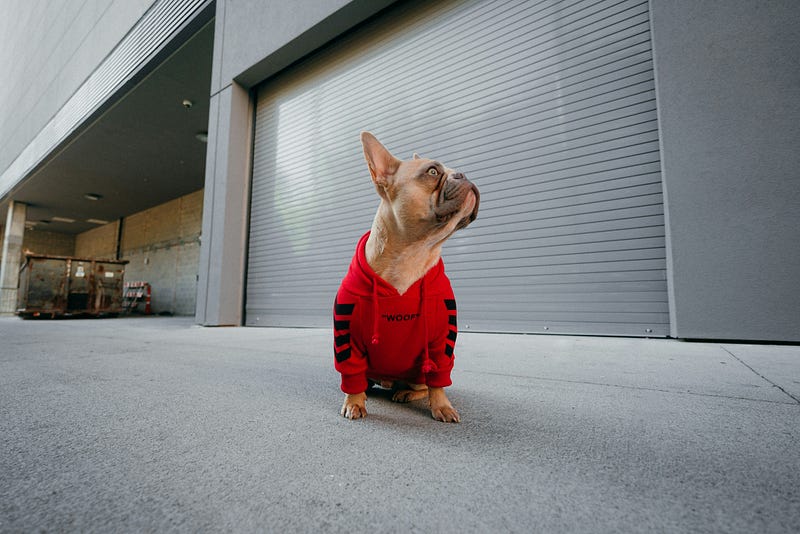
From adorable dogs rocking the latest fashion trends to cats lounging in luxurious pet beds, the rise of pet influencers is no longer a niche internet phenomenon — it’s a full-blown industry. These furry (and sometimes scaly or feathered) internet stars have amassed millions of followers, and they aren’t just racking up likes and comments; they’re influencing how we spend our money in ways we might not even realize.
As pet influencers continue to take over our Instagram feeds, the question arises: How are they secretly shaping our buying habits? It turns out the answer is more complex — and more fascinating — than you might think.
The Rise of the Petfluencer
It all started with a few cute pet photos and videos that went viral, but today, pet influencers are serious business. According to a 2023 study, pet influencers collectively earn over $1 billion per year through sponsorships, brand deals, and product endorsements. Some of the biggest petfluencers, like Doug the Pug, Jiffpom, and Grumpy Cat (RIP), have transcended internet stardom to become household names, even launching their own product lines and selling merchandise.
This phenomenon isn’t just about cute animals anymore. Brands have caught on to the fact that pet influencers offer something traditional influencers can’t: an uncomplicated connection with their audience. Pets, unlike human influencers, don’t come with scandals, strong opinions, or messy public personas. They are seen as pure, lovable, and, most importantly, trustworthy. In a world where people are increasingly skeptical of advertising, pets provide a level of authenticity that humans can’t always achieve.
How Pet Influencers Impact Consumer Choices
So, how exactly are these four-legged celebrities shaping what we buy? Let’s break it down.
1. Pet Products: From Luxury to Everyday Essentials
The most obvious area where pet influencers are making waves is in the pet product industry. From high-end pet accessories to organic dog food and eco-friendly cat litter, petfluencers are helping brands sell products directly to pet owners. When you see your favorite Instagram pup lounging on a plush pet bed or wearing a fashionable leash, you’re more likely to trust that product.
According to market research, consumers are three times more likely to purchase a pet-related product if it’s promoted by a pet influencer they follow. This goes beyond mere brand recognition — it’s about creating a sense of trust and community. After all, if Doug the Pug likes a certain dog food brand, wouldn’t you want your dog to have the same experience?
And it’s not just everyday pet items that are being promoted. Some pet influencers have even helped launch luxury lines, with designer pet apparel and high-end pet gear becoming more mainstream. These products, once considered niche, are now becoming part of the everyday conversation among pet owners, thanks to the exposure they get from influential pets.
2. Non-Pet Products: Expanding the Influence
What’s even more surprising is how pet influencers are impacting industries outside of the traditional pet market. Pets are now being used to endorse everything from home decor to beauty products. How? By simply existing in the frame.
Think about it: you see a famous pet lounging on a sleek, modern couch, and suddenly, you’re not just paying attention to the cute dog or cat — you’re noticing the furniture. Pet influencers often collaborate with lifestyle brands to create this kind of aspirational content, where the pet’s environment subtly influences the consumer’s taste.
In fact, studies show that people are 18% more likely to recall a product if it’s featured alongside a pet than if it’s just showcased by a human influencer. Pets soften the sell, making products feel more approachable, cozy, and familiar.
3. The Psychology of Pet Love: Why It Works
Why do pet influencers have this kind of power over us? It boils down to psychology. Humans are wired to respond to cute, non-threatening animals in a way that triggers positive emotions. This phenomenon is known as “baby schema”, where traits like big eyes and small noses trigger our nurturing instincts. When we see a pet influencer, we’re not just scrolling through photos — we’re engaging with content that gives us a hit of dopamine, the feel-good hormone.
This emotional response doesn’t just make us happy; it makes us more likely to trust the pet and, by extension, the products they’re promoting. It’s a marketing goldmine. We’re more inclined to buy from brands that seem to align with the cute, positive vibe that these pet influencers radiate.
The Hidden Influences: Lifestyle and Fashion Choices
It’s not just pet products or home decor that are being shaped by pet influencers — our own fashion and lifestyle choices are, too.
Take, for instance, the rise of matching outfits for pets and owners. Pet influencers are often seen wearing stylish bandanas or jackets that coordinate with their owner’s outfits. This trend has gone from a quirky Instagram post to a full-blown fashion movement. Pet owners are now spending more on coordinated looks for themselves and their pets, creating a new category of pet-and-owner fashion that appeals to both millennial and Gen Z consumers.
And it doesn’t stop there. Pet influencers have also been spotted with wearable tech, like GPS collars and pet cameras. This has not only sparked a boom in the pet tech industry but has also influenced tech-savvy consumers to invest in similar gadgets for their pets — and for themselves. It’s as if the lifestyle of the pet influencer is bleeding into the lifestyle of their human audience, subtly encouraging them to upgrade their own lives in parallel.
Ethical Questions: Are We Exploiting Our Pets?
As with any form of influencer marketing, there are ethical questions surrounding the rise of petfluencers. One of the biggest concerns is whether pets are being exploited for profit. After all, these animals can’t consent to the hours of photoshoots or the commercialization of their image.
Some critics argue that dressing up pets for Instagram or making them perform for the camera crosses a line into unethical territory. Others worry about the physical and emotional well-being of pets who are turned into celebrities, often under the control of owners looking to cash in on their pet’s fame.
However, many petfluencers’ owners are quick to defend their practices, stating that their pets are well cared for and only participate in content creation when they’re happy to do so. Some even donate a portion of their earnings to animal charities, trying to balance the commercial side with a genuine love for animals.
The Future of Pet Influencers
What’s next for pet influencers? As long as people continue to love pets — and they will — their influence is likely to grow even stronger. We may see more partnerships between pet influencers and sustainable brands, as eco-conscious consumers look for products that align with their values. Pet influencers could also play a role in raising awareness for animal rights causes, using their platform for more than just product promotion.
It’s clear that petfluencers aren’t just a passing trend. They’re changing the way we think about advertising, consumer behavior, and even our relationship with animals. As long as pets continue to warm our hearts and our screens, their secret influence over our buying habits is here to stay.
So, next time you find yourself adding a cute dog accessory to your cart after seeing it on Instagram, remember — you’re not alone. That fluffy influencer has shaped your decision more than you might realize.
What do you think of this?